Crazy Time Demo and Free Play for Curious Newcomers
Crazy Time is one of those live casino game shows that looks chaotic at first glance: a huge colourful wheel, a chatty host, multipliers flashing everywhere and bonus rounds popping up out of nowhere. Behind all that noise, though, there is a very clear structure and a few smart ways to get familiar with the game before you ever risk real money. Many players talk about a demo, about watching for free, about trying low-risk spins until the mechanics “click”. Others simply enjoy the show aspect and never move beyond that. In this guide we will unpack what “demo” really means for Crazy Time, how to build your own free or almost-free training ground, and how to keep the whole experience fun and under control.

Understanding Crazy Time and Its “Demo” Experience
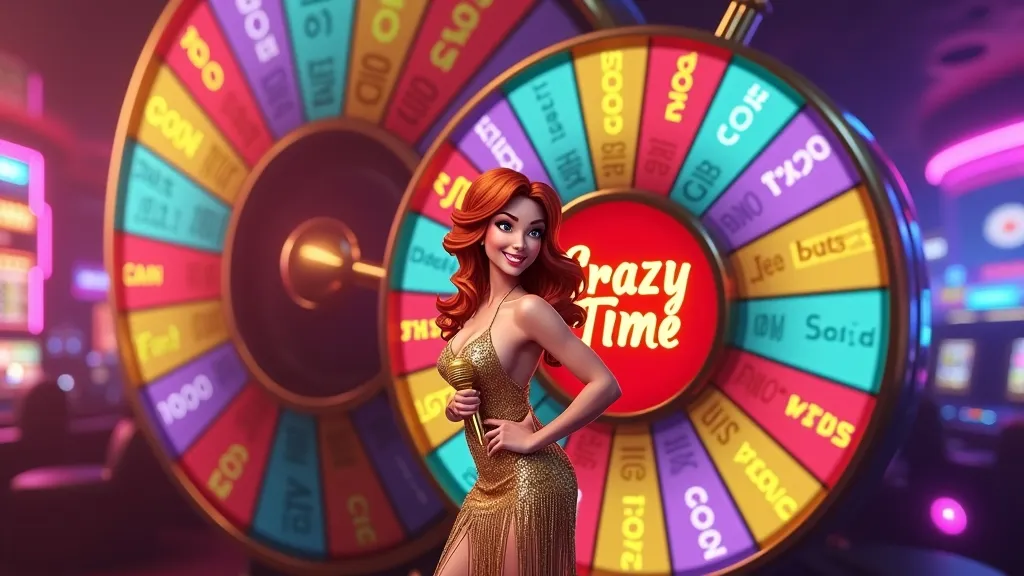
Crazy Time is a live casino game show created by Evolution where a presenter spins a vertical wheel divided into dozens of segments. The wheel combines simple number payouts with four bonus rounds, each with its own mini-game, atmosphere and multiplier potential. At the top of the screen sits an extra “Top Slot” that can attach multipliers to specific bets before each spin, creating those highlight-reel moments you often see in clips and streams. The design blends traditional money-wheel gameplay with TV-style production, fast rounds and a lot of interaction between host and players. All of this runs in real time from a studio, which is important when you start thinking about any form of “demo” or free access to the game.
How the live wheel and bonus rounds actually work
To understand any kind of practice or “demo” approach, you first need the basics of how the game behaves from one spin to the next. The Crazy Time wheel is split into numbered segments (typically 1, 2, 5 and 10) and four special segments that trigger bonus rounds: Cash Hunt, Pachinko, Coin Flip and the game’s own Crazy Time bonus. Each number simply pays its value, while the bonus segments send you to interactive mini-games where multipliers can stack very quickly. The Top Slot above the wheel spins at the same time and can attach an extra multiplier to a particular symbol, making that bet far more explosive if the wheel lands on it. This mix of regular payouts and high-variance bonus rounds is what gives the game its “roller coaster” feel. While everything is driven by physical wheel spins and certified random processes, the pacing and visuals make it feel closer to a game show than a table game.
The host’s role matters more than many people expect. They keep the rhythm of the game, react to big hits, and often read out messages from the chat, which adds to the social side. Each spin is relatively quick, so there is not much time to hesitate once the betting window opens. Because of that tempo, people who jump straight into betting without understanding the segments often feel overwhelmed and start chasing outcomes they barely understand. A bit of calm observation before you commit your first EUR can make the game feel far less random and much more readable. Even just watching how often each type of segment appears over a series of rounds helps you realise that most spins end on the lower numbers, and the big fireworks are the exception rather than the rule.
Why there is no classic demo but players still test the game
Here is the key twist: because Crazy Time is a live studio game streamed in real time, there is no traditional Crazy Time demo in the same sense as a slot where you click “Play for fun” and receive fake credits. Live rounds happen with real bets from real players; casinos cannot simply spin up a separate fake-money version of the studio stream. That is why many official sources emphasise that live game shows, including Crazy Time, do not come with the standard demo button you might be used to from slots.
However, that does not mean you cannot explore something close to a Crazy Time demo mode experience. Some casino lobbies allow you to open the game and watch the stream without placing bets, effectively giving you free spectator access to real rounds. In other cases, third-party sites and tools offer simulated wheels, past-round replays or basic “practice” interfaces using historical results, though these are not official parts of the Evolution product.
The important distinction is that when you watch the real studio stream without betting, you see exactly what paying players see, only without having money on the table. That is arguably more valuable than any scripted demo because it shows how often nothing special happens and how rare those huge multipliers really are. It also gives you time to learn the layout of the wheel, understand how the Top Slot behaves, and get a feel for the bonus rounds before you ever choose a stake. In practice, many experienced players treat their first sessions as self-imposed demo time: they join the stream, keep their balance at zero, and simply observe until the rhythm feels familiar.
Watching before wagering: turning observation into knowledge
Spending a decent chunk of time pure-watching Crazy Time is not a sign of hesitation; it is a sign of respect for your own bankroll. A lot of strategy advice for this game actually starts with the simple step of observing several rounds without betting, just to see how the host moves, how quickly the betting phase closes and how the bonus rounds play out. You begin to notice practical details, such as how many spins on average pass between bonus rounds or how often particular numbers tend to cluster in short runs.
Observation also helps you tune your emotional reaction to the game. When you watch a few big multipliers land while you are still in “demo mindset”, it stings far less than if you had already loaded your account and randomly spread bets across the wheel. Over time, you realise that those spectacular moments are part of a long sequence that also includes many dull spins landing on the lowest numbers. This understanding can keep you from chasing every flashy opportunity.
Another underrated benefit is learning the interface without stress. While watching for free, you can rehearse in your head exactly where you would click, how many chips you would place, and how you would adjust stakes if you changed your mind. By the time you move to real money, placing bets feels more like repeating a familiar routine than trying to solve a puzzle on the fly.
Finally, pure viewing time lets you reflect on whether this game even fits your personality. Some people discover they love the fast, loud, social energy; others find it tiring and prefer a calmer game. It is much better to reach that conclusion while treating the experience as your own demo than after several rushed deposits.
Finding Ways to Experience Crazy Time for Free
When people talk about experiencing Crazy Time “for free”, they usually mean one of three things: opening the stream without betting, using casino promotions to fund part of their play or running very small stakes that feel almost like practice. All three options can feel like a personal demo phase, but each comes with its own trade-offs and hidden costs. Some websites even label their pages as free-play portals while simply embedding a normal Crazy Time stream and encouraging you to watch before you register. Others provide simulations or explainers built around the rules and bonus structures of the game.
What matters most is clarity about your goal. Are you trying to learn how the game works? Do you just want a bit of interactive entertainment without caring about long-term results? Or are you planning to move from “demo” to real stakes and need a safe transition plan? Once you answer those questions for yourself, you can decide which type of “free” makes sense and where to draw your boundaries. Remember that even when you play with bonus money, your time and attention are still valuable, so it is worth treating them as part of your investment.
Purely free viewing and the feeling of Crazy Time free sessions
The cleanest form of “free” Crazy Time is simple: watch without betting. Many casino lobbies and aggregator sites let you load the live stream and sit in the virtual audience as long as you like. You see every spin, every bonus round and every celebratory moment, but you never place a chip. This approach lets you enjoy something that feels like Crazy Time free entertainment while your balance stays untouched. As long as you resist the urge to deposit mid-session, it is genuinely cost-free. You can treat it like watching a high-energy game show in the background while you do other things.
During this phase, it helps to be intentional. You might focus on one specific aspect of the game each time you watch, such as the timing of the betting window, the frequency of a particular bonus or the way the Top Slot multipliers line up with wheel outcomes. Little by little, you build pattern recognition that will serve you well if you decide to start playing.
A single short viewing session can already teach you something, but the real value comes when you watch over several days or different times of day and compare your impressions. You may notice that your mood changes depending on the host’s energy level, or that you are more patient at certain hours than others. All those insights go into your mental notebook and shape how you want to approach any future bets. Use free viewing time to learn:
-
the wheel layout
-
bonus mechanics
-
pace of rounds and your own emotional reactions before you ever risk a single unit of your balance
If you enjoy the social side, you can also take part in the chat during these free sessions. You are not betting, but you can still react to big hits, congratulate winners and ask simple questions about how certain features work. Just remember that other players may be in a very different emotional state, especially after big wins or losses, so keep your expectations realistic. Over time, you may find that you genuinely enjoy being part of the community even when you are not actively playing.
Using bonuses and low stakes to mimic Crazy Time free play
At some point, many players move from pure spectatorship to what feels like half-demo, half-real play: using casino bonuses, free chips or tiny stakes to get a taste of the game. Promotional offers can give you extra balance or a few rounds financed by the casino, but they almost always come with conditions such as wagering requirements or game restrictions. So while it might feel like Crazy Time free play, it is more accurate to think of it as subsidised play where you still need to manage expectations carefully.
To keep this stage grounded, some players build simple comparison tables for themselves that capture how each “practice” method feels emotionally and financially. A compact version of that kind of reflection might look like this:
| Practice approach | Emoji summary | What it really feels like |
|---|---|---|
| Watching only | 📺 Relaxed focus | You observe everything with zero pressure and gradually understand the rhythm of the game. |
| Bonus-funded spins | 🎁 Cautious excitement | Wins and losses feel real, but you remind yourself that much of the balance came from a promotion. |
| Tiny-stake rounds | Controlled tension | Each spin matters a little, helping you practise discipline without putting serious money at risk. |
| Jumping straight in | 🎢 Wild swings | The session feels intense and unpredictable, often driven more by emotion than by any kind of plan. |
The point of this reflection is not to declare one method “right” and another “wrong”, but to make sure you are honest with yourself. If you are using bonuses, treat them as a temporary cushion, not as an endless source of “free money”. If you are playing with tiny stakes, remember that even small losses add up over time, especially if you play for long sessions.
By thinking of these approaches as stepping stones rather than shortcuts, you give yourself permission to spend more time in the semi-demo stage. There is no prize for rushing into higher stakes. In fact, taking it slowly usually means you arrive at your preferred stake size with more experience, better emotional control and a clearer idea of whether Crazy Time is a game you want as a long-term hobby or just an occasional treat.
Common mistakes new players make when chasing “free” value
The biggest mistake in the search for “free” Crazy Time value is forgetting that casinos are designed to make a profit in the long run. Even when an offer looks generous, there are usually strings attached that ensure the house edge still applies over time. Some players accept a promotion, skim the terms, and then feel frustrated when they discover that only certain bets count towards wagering or that the stake size they wanted is not allowed. This disappointment can push them into riskier behaviour as they try to “get something back”.
Another common trap is treating small stakes as if they do not matter. Because the individual spins are cheap, players may let sessions run much longer than they intended, assuming it is basically still practice. Hours later they realise they have quietly spent more than they would ever have deposited in a single lump sum. It is easier to avoid this outcome if you set a clear total session limit in EUR, even when each spin is tiny.
Chasing “losses from bonus money” is another subtle danger. If you started playing with promotional credit, it can be tempting to think of any leftover losses as “not real” and deposit more to chase a big hit. This mindset ignores the time and energy you have already invested. A healthier attitude is to decide in advance what you want from the promotion—maybe a bit of extra entertainment or a chance to try a new game—and to walk away when that goal is met, regardless of the exact final balance.
Finally, some players move too quickly from observation to complex “systems” that promise to beat the game. They apply betting progressions or try to “predict” when a bonus is due, forgetting that each spin is independent and governed by randomness and physical wheel behaviour. A demo-style phase is at its best when it makes you more realistic, not more superstitious.
Playing Smart: Tactics, Mindset, and Responsible Fun
Once you have spent some time in your own version of demo mode—whether by watching, using bonuses or playing for tiny stakes—you face the bigger question: how do you approach real play in a way that feels exciting but not reckless? Crazy Time is built to deliver sharp spikes of adrenaline, especially when the wheel hits a bonus with a large multiplier attached. The key is to welcome that excitement while anchoring yourself with simple, practical rules. Many strategy articles emphasise bankroll management, realistic expectations and emotional control rather than any magic betting pattern, and those ideas apply here even more than in slower games.
You can think of this stage as graduating from your informal “demo curriculum” into full-time play, but you do not need to change everything at once. In fact, the smoother and more gradual the transition, the better. You might keep your stake size modest, limit how many segments you bet on, or stick to relatively short sessions until you see how your body and mind respond to real swings. The aim is to build habits that protect your balance and your mood, so Crazy Time remains something you look forward to rather than a source of stress.
Laying your foundations before real Crazy Time play
Before you commit to regular sessions with real stakes, it helps to define what Crazy Time play means for you personally. For some people it is a once-in-a-while treat, while others see it as their main live casino game. The amount of pressure you feel in each session depends heavily on that decision. If you treat the game as a casual show, you are more likely to accept downswings as part of the entertainment cost. If you secretly expect regular profit, every dry streak will feel like a personal failure instead of a normal statistical run.
To give yourself a solid base, you can follow a very simple step-by-step routine whenever you plan a session:
-
Decide how much EUR you are comfortable losing in this session and mentally accept that the entire amount can disappear.
-
Choose your stake size per spin so that your plan covers at least a few dozen rounds, not just a handful.
-
Pick a limited set of segments you will focus on, instead of covering almost the whole wheel every time.
-
Commit to a clear stop-loss point and a realistic “happy-to-quit” win point before the first spin.
-
After the session, pause for a few minutes to check how you feel and whether you stuck to your own rules.
This routine does not guarantee good results, but it does create a structure that makes reckless decisions less likely. It also turns each session into a closed story: you start with a plan, follow it, and then step away, reflect and decide whether you want another “chapter” another day. Over time, this mindset protects you from one of the biggest dangers of fast live games: losing track of where one session ends and another begins.
Even as you gain confidence, you can still treat certain sessions as semi-demo experiments. Maybe you test a new pattern of bets with tiny stakes or intentionally cap your session at a small number of spins. This keeps your learning curve active and prevents you from slipping into autopilot, where you click the same bets without really thinking about why.
Turning CrazyTime demo sessions into a long-term edge
All the hours you spent in CrazyTime demo-style observation are only truly valuable if you keep using what you learned once you start playing for real. One simple way to do that is to maintain a small notebook or digital note where you briefly record how each session felt: which bets you used, how often you saw certain bonus rounds, when you became impatient, and how you reacted to big wins or losses. You do not need deep statistics; a few honest sentences after each session are enough.
As these notes accumulate, patterns start to appear. You might realise that you tend to raise stakes sharply after a near-miss, or that you get bored and over-bet whenever the wheel lands on low numbers several times in a row. With that knowledge, you can design small personal rules that counteract those tendencies, such as taking a short break after any big swing or limiting how often you change your bet layout mid-session. Good strategy pages and community discussions often stress this kind of self-awareness over any particular betting formula.
Another advantage of a demo-driven mindset is that you treat every round as a chance to learn, not just to win. When a bonus round goes poorly, you can still pay attention to how the host explains the rules, how the multipliers are assigned and how the pacing affects your emotions. When it goes well, you can study what made the moment so exciting and decide how to anchor that feeling without letting it dictate your next stakes.
Over the long term, this attitude helps you stay flexible. Instead of locking yourself into rigid “systems”, you keep adapting based on your own experience. You might notice, for example, that you enjoy sessions more when you keep your focus on a couple of favourite bonus segments instead of trying to chase everything at once. Or you may decide that you prefer shorter, sharper sessions where you either hit something interesting quickly or close the game and do something else.
Emotional control and knowing when to walk away
Crazy Time’s brightest moments involve huge multipliers, rapid-fire animations and a host celebrating with the chat. That emotional spike is part of why the game is so popular, but it can also make it hard to stop. Without some internal guidelines, it is easy to fall into “one more spin” thinking for far longer than you planned. Responsible gambling advice for live games often emphasises the importance of fixed limits, regular breaks and realistic expectations, and all three are especially relevant here.
Emotional control starts with noticing your own warning signs. Maybe you feel your heart rate jump after a near-miss bonus, or you catch yourself talking out loud to the wheel. Those are signals that the game is demanding more of your nervous system than usual. Taking a short pause, stretching, or even simply muting the sound for a few spins can help you reset. If you find yourself chasing a specific outcome—waiting for a particular bonus symbol or multiplier to appear—that is another moment to consider cashing out or closing the game entirely.
It also helps to redefine what “walking away” means. Instead of seeing it as giving up, treat it as a skill you are practising. Each time you stop at your planned limit or quit while still feeling relatively calm, you strengthen that skill. Over many sessions, this habit becomes a quiet but powerful advantage, because it prevents losses from snowballing and keeps the game linked to positive emotions rather than regret.
Finally, remember that Crazy Time should be one part of a broader entertainment mix, not the centre of your free time. If you have other hobbies and social activities that make you feel good, you are less likely to lean on the game for emotional relief when life gets stressful. That makes it easier to keep a healthy distance—and to use everything you learned in your personal “demo phase” to enjoy the game for what it is: a bright, fast, unpredictable show.
Frequently asked questions